- Undercover Agents | AI You Didn't Know You Needed
- Posts
- Albania’s Pregnant AI “Minister of State”
Albania’s Pregnant AI “Minister of State”
AI that is pregnant with 83 "Children"

Ashna Jain
January 07, 2026
#CASE START
print("Welcome Back Agent"),

secret_message = "This week, we travel to Albania to investigate the country’s newest government member:"

When Albania appointed Diella, a virtual assistant powered by AI, as a cabinet “minister” tasked with ending corruption, it grabbed global headlines. Prime Minister Edi Rama boldly claimed Diella would ensure the nation’s public tenders were “100 % free of corruption.”
Corruption in public contracts has long been one of Albania’s most serious governance challenges, and it’s cited as a key hurdle in the country’s bid to join the European Union.
But here’s the twist: there was no new anti‑corruption law, no public consultation, and no legislative framework establishing how an AI should operate in government.
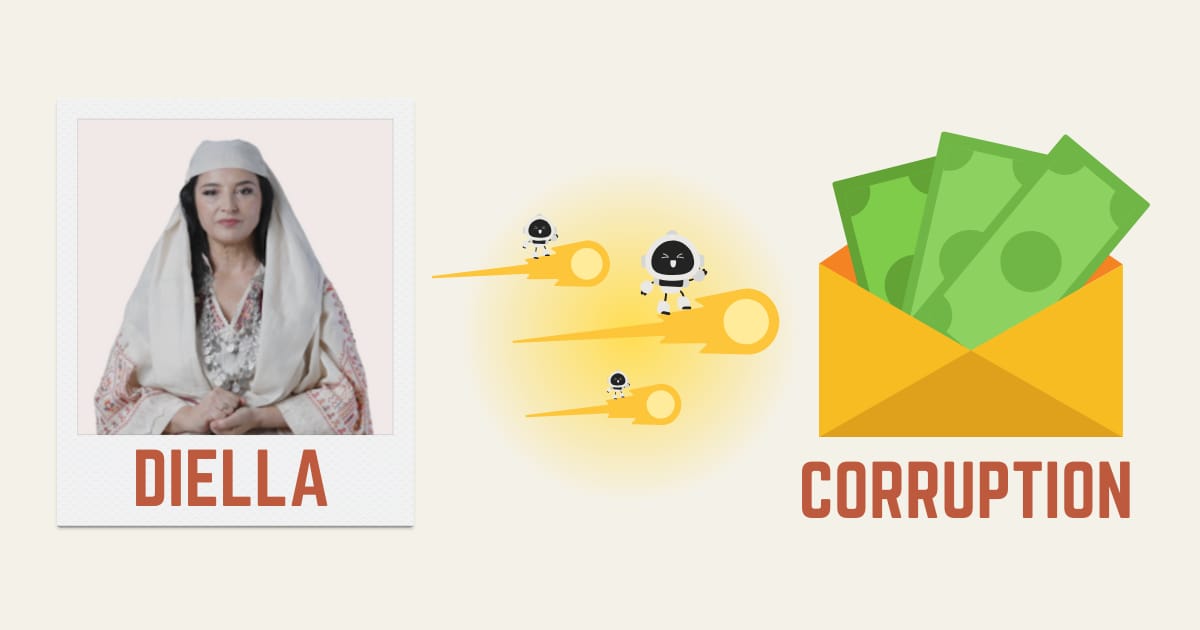
A Tool for Transparency. Or a Black Box?
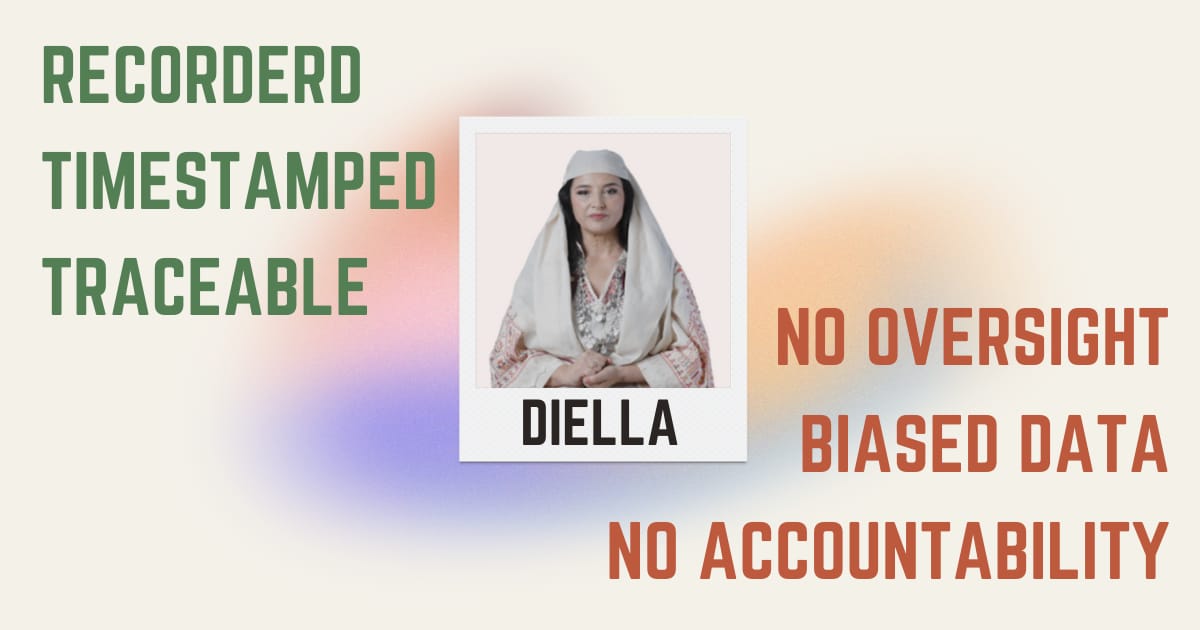
Supporters argue that if every decision is recorded, timestamped, and traceable, then in theory it makes corruption easier to detect and harder to hide.
But critics point to a darker flip‑side:
No oversight, no audit trail: Because the government hasn’t released how decisions are made, it’s a “black box”.
Biased data = biased outcomes: If procurement data is incomplete, or influenced by past corruption, the system could systematically favor certain bidders without anyone noticing.
No accountability framework: If Diella awards a major contract to a politically connected firm due to a hidden bias or an input error, no one has clarified who is legally responsible. The AI? The programmers? The cabinet?
As one AI specialist put it bluntly: “LLMs reflect society; they have biases. There’s no reason to believe it solves the problem of corruption.”
As for Diella’s pregnancy: the public had a good laugh at the metaphorical announcement that she's "giving birth" to 83 AI assistants, one for each ruling party MP, to help with parliamentary duties like note-taking and legislative advice.
mission_debrief = "In the end, Diella’s story may not be about whether an AI can fight corruption, but whether societies can govern their tools in ways that strengthen democracy instead of eroding it."
71 % of organizations now regularly use generative AI, up sharply from prior years
Professionals with AI-related skills earn ~40 % more than peers without them
AI-related data center operations now produce 2.5–3.7 % of global greenhouse gas emissions, exceeding aviation’s contribution
Only ~3 % of AI users pay for premium services, revealing a large free-tier ecosystem
AI model hallucination rates have dropped ~19% as grounding and context handling improve
AI is now the fastest-adopted technology in human history, reaching over 1.2 billion users in just a few years


#CASE END
print("Congrats Agent! You have completed this MISSION")

final_message = "Stay Undercover, see you soon"

-Ashna Jain